LEXONEWORLD · ASIA PACIFIC / EU
Asia Pacific and the European Union
Thirty short guides to prepare trade, contracts and investment involving Italy and the EU. Other European countries require separate assessment.
AI-generated editorial image: a fictional scene, not documentation of real people, places or transactions.
Markets and agreements

Europe or the EU: define your market
Selling “in Europe” does not identify one legal regime. Italy and other EU states share many rules; the UK, Switzerland and other markets need separate checks.
Read more ↗
Singapore–EU: using the agreement correctly
The EU–Singapore agreement does not make every shipment duty-free. A Singapore logistics hub must distinguish dispatch location from goods origin.
Read more ↗
Hong Kong–EU: origin and re-exports
Buying from a Hong Kong company may involve goods made elsewhere. Seller identity, dispatch location and customs origin are separate facts.
Read more ↗
Macao–EU: identify territory and counterparty
A Macao transaction should not simply be treated as generic “trade with China”. Identify the actual company, customs territory, origin and destination.
Read more ↗
South Korea–EU: prove preferential origin
The EU–South Korea agreement may offer benefits, but a Korean seller’s address is insufficient. Goods must satisfy the applicable origin rules and evidence requirements.
Read more ↗
Vietnam–EU: supply-chain evidence before tariff savings
The EU–Vietnam agreement does not give Vietnamese origin to everything dispatched there. Materials and processing matter, especially across international supply chains.
Read more ↗
Australia–EU: negotiation is not application
Publication of an agreement’s text or completion of negotiations alone does not prove that a tariff preference already applies to your shipment.
Read more ↗
Thailand–EU: check the regime actually in force
News of trade negotiations does not establish the applicable duty. Thai businesses need the product, origin, transaction date and rules actually in force.
Read more ↗
China–EU: include product-specific measures
Import costs are not determined by ordinary duty alone. Certain products and origins may face trade-defence measures or other restrictions.
Read more ↗
Malaysia–EU: do not anticipate negotiated benefits
Malaysian businesses must distinguish commercial opportunities from legally available preferences. Negotiations and announcements do not replace checking the goods’ current regime.
Read more ↗Customs and costs

Customs classification: describe the goods accurately
A trade name does not settle customs treatment. Materials, function and specifications can change classification and applicable measures.
Read more ↗
Origin: dispatch and manufacture are different
The country of dispatch does not by itself establish origin. Preferential duty requires the applicable agreement’s origin conditions and prescribed evidence.
Read more ↗
Importer, representative and EORI: allocate responsibilities
Seller, carrier and importer may be different parties. EORI identifies an operator for customs purposes; it does not replace permits or product requirements.
Read more ↗
VAT, duty and the final price
Freight, duty, VAT and handling can substantially increase an origin price. IOSS serves particular distance sales, not every import.
Read more ↗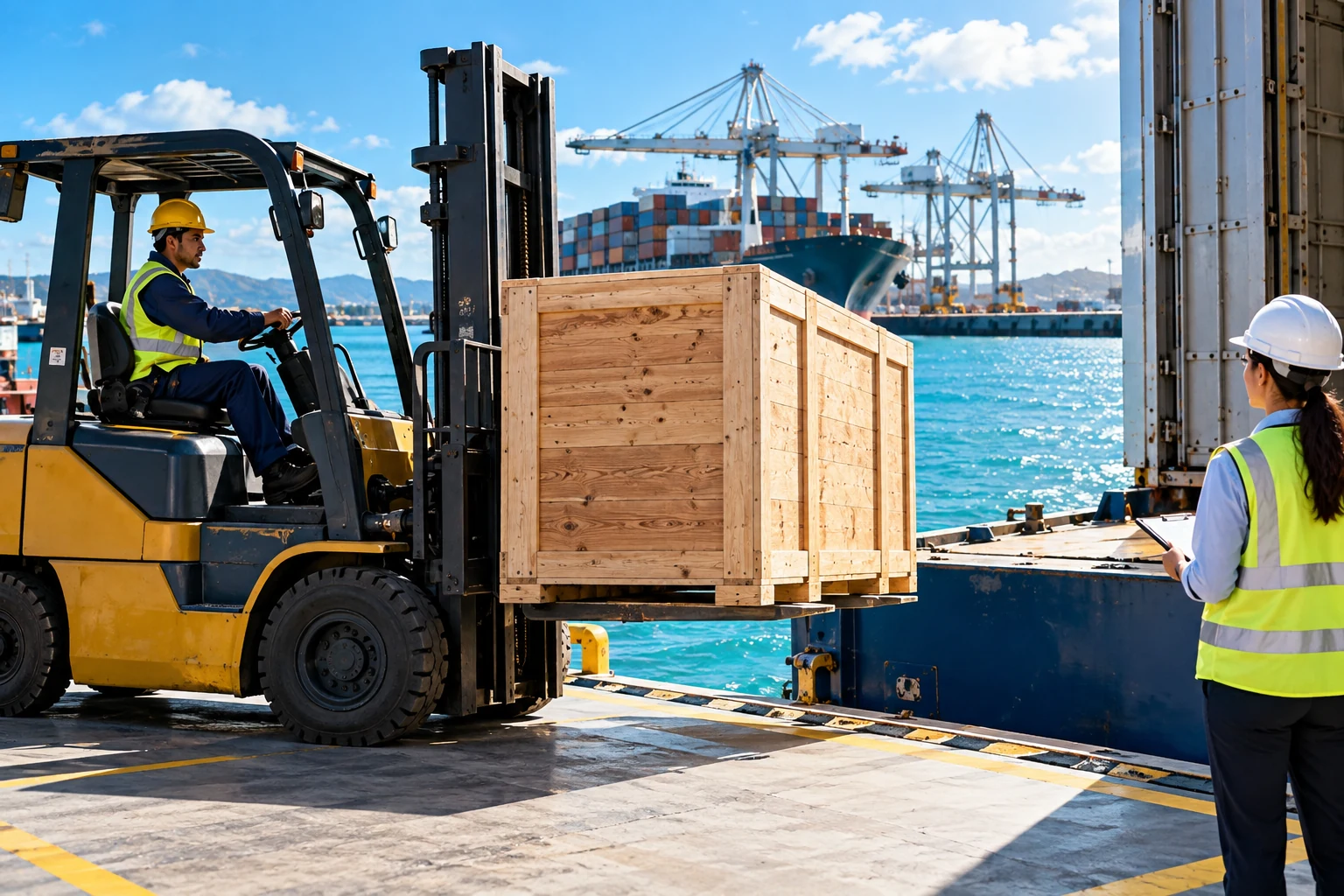
Delivery and Incoterms: allocate costs and risk
A delivery abbreviation cannot settle an entire contract. Incoterms® allocate tasks, costs and risk; they do not alone determine payment or ownership.
Read more ↗Contracts and payments

International contracts: language, law and disputes
Contract language does not automatically select the governing law. Choosing law and choosing courts or arbitration address different questions.
Read more ↗
Payments and fraud: check before transferring funds
A confirmed order does not guarantee payment. A request to change bank details may be fraudulent; protection depends on the contract, payment method and applicable law.
Read more ↗
Know your partner: identity and signing powers
A polished website or business card does not prove authority to bind a company. A group brand may differ from the actual contracting entity.
Read more ↗
Agent or distributor: define the relationship
Promoting deals and buying goods for resale are different activities. Calling everyone a “partner” can obscure pricing, responsibilities and termination consequences.
Read more ↗Products and protection

CE marking: start with the product
CE marking applies to specified product categories, not all goods. A logo or purchased commercial certificate alone does not demonstrate compliance.
Read more ↗
Labels and instructions: prepare before shipment
A compliant product can still lack mandatory information or use the wrong language. Requirements and responsibilities depend on category and destination market.
Read more ↗
Food: ingredients, allergens and entry checks
Food needs checks different from industrial goods. Labelling, allergens, traceability and import conditions depend on the product and its origin.
Read more ↗
Chemicals: coordinate REACH and supplier information
Substances, mixtures and articles can carry different obligations. Under REACH, EU importers or only representatives may need information from overseas manufacturers.
Read more ↗
Trade marks and confidential know-how
A mark used at home is not automatically protected everywhere. Trade marks, designs, patents and confidential information need different checks and protection.
Read more ↗
CBAM: obtain emissions information early
The EU carbon border mechanism covers specified goods, not every import. For covered products, emissions information can affect obligations and costs.
Read more ↗
Sanctions and dual-use goods: screen the transaction
Transactions may require checks on parties, goods, destination and end use. Dual-use items have civilian and military applications; invoice wording alone does not determine the rules.
Read more ↗Data and consumers

Personal data: when GDPR becomes relevant
GDPR can apply to non-EU businesses offering goods or services to people in the EU or monitoring their behaviour. Website accessibility alone does not settle the assessment.
Read more ↗
Consumer e-commerce: plan after-sales support
Business sales and consumer sales differ. Distance sales may involve mandatory information, withdrawal and remedies, subject to conditions and exceptions.
Read more ↗People and investment

Business visits and services: entry is not work permission
Meetings, installation work and professional services can follow different routes. Business entry must not be treated as general permission to work.
Read more ↗
Investing in Italy: company structure and approvals
Incorporation, buying shares and acquiring a business are different operations. Choosing a company form does not complete tax, licensing or foreign-investment screening checks.
Read more ↗General information, not advice on an individual case. Sources consulted on 22 October 2026: check updates before acting. The overall portal review is ongoing. This note does not certify a complete check of every page.